
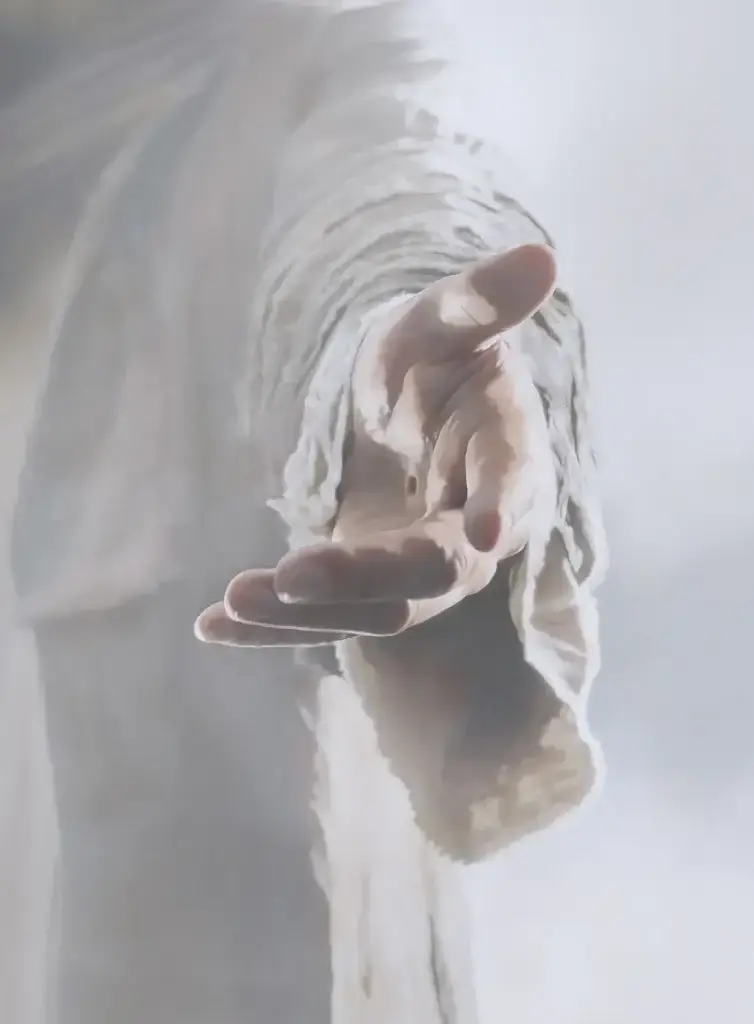
The greatest sinners may, through Christ, find mercy. For His murderers, He prayed, “Father, forgive them” (Luke 23:34). On Pentecost, some of these very people were forgiven by this very God (Acts 2:22, 37–38, 41).
Jesus’ words of forgiveness were directed toward the Roman soldiers who had beaten Him so badly that someone else carried His cross to Calvary. Jesus had the power to stop those who beat, tortured, and crucified Him (John 10:17–19). Surely this Jesus who, with just the sound of His voice, made a dead man come alive, could make a live man dead. But He did not punish them nor stop the proceedings. He allowed the soldiers to mock Him with a scarlet robe and a reed, and a crown of thorns (Matthew 27:28–30). While He was blindfolded, He let the soldiers strike His face and did not answer when they asked, “Prophesy! Who is the one who struck you?” (Luke 22:64).
Little did they know that He could tell them who hit Him. They beat Him; He blessed them. There was no blindfold when they nailed Him to the cross. Jesus did not respond as others they had crucified. Others spewed vile profanity or wept for pity. The soldiers thought Jesus’ life was in their hands; they did not know He held their lives in His.
Jesus illustrated Mark Twain’s definition of forgiveness: “Forgiveness is the fragrance that the flower leaves on the heel of the one who crushed it.”
How could anyone reject such a Savior?
—Matthew Henry
“Come to Me, all you who labor and are heavy laden, and I will give you rest.” – Matthew 11:28
This article is from a special issue of House to House, Heart to Heart, offering encouragement, hope, and a heartfelt invitation to members of the church of Christ who have been away. Explore more articles from the special Come Home issue here.


